 Key Takeaways
PADnet testing is a non-invasive diagnostic tool used to screen for peripheral artery disease (PAD) by measuring blood flow in the legs.
PAD is a serious condition where plaque buildup narrows the arteries, reducing blood flow to the limbs, which can lead to leg pain, non-healing wounds, and increased risk of heart attack or stroke.
The test is quick, painless, and can be performed right in the office at Northern Illinois Foot & Ankle Specialists, providing immediate insights into your vascular health.
Individuals with risk factors like diabetes, high blood pressure, high cholesterol, a history of smoking, or those over 50 should consider screening.
For a comprehensive vascular health assessment and to see if PADnet testing is right for you, schedule an appointment with the experts at Northern Illinois Foot & Ankle Specialists.
Understanding Your Vascular Health
Many people associate leg pain, numbness, or cramping with getting older or being out of shape. However, these symptoms can sometimes signal a more serious underlying issue: peripheral artery disease (PAD). PAD affects millions of Americans, yet it often goes undiagnosed. The good news is that a simple, effective screening tool called PADnet testing can help detect this condition early. Understanding what PADnet testing is and why it's important is the first step toward protecting your circulatory health and overall well-being. Northern Illinois Foot & Ankle Specialists uses this advanced technology to provide patients with critical information about their blood flow.
What is Peripheral Artery Disease (PAD)?
Before diving into the test itself, it's helpful to understand the condition it screens for. Peripheral artery disease is a circulatory problem in which narrowed arteries reduce blood flow to your limbs, most commonly the legs. This narrowing is caused by atherosclerosis, the buildup of fatty deposits (plaque) on the artery walls.
Who is at Risk for PAD?
Certain factors significantly increase a person's risk of developing PAD. These include:
Age (over 50)
Diabetes
Smoking (current or former)
High blood pressure
High cholesterol
A personal or family history of heart disease, heart attack, or stroke
Obesity
When blood flow is restricted, the leg muscles don't receive enough oxygen, leading to symptoms and increasing the risk for serious complications.
Symptoms of Peripheral Artery Disease
Many people with PAD have mild or no symptoms. However, a common sign is intermittent claudication: that means painful muscle cramping in the hips, thighs, or calves when walking, climbing stairs, or exercising. Other symptoms to watch for include:
Leg numbness or weakness
Coldness in one lower leg or foot compared to the other side
Sores on your toes, feet, or legs that won't heal
A change in the color of your legs
Hair loss on your feet and legs
Shiny skin on your legs
The PADnet Testing Process
PADnet testing is a state-of-the-art system that provides a comprehensive screening for PAD. It’s an efficient and non-invasive way for your podiatrist to assess the health of your arteries.
How is the Test Performed?
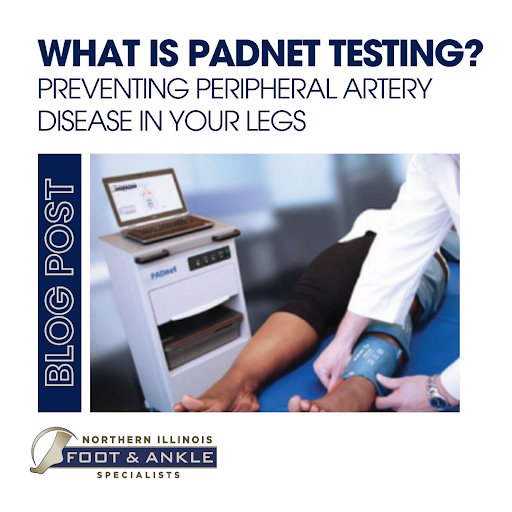
The test is similar to having your blood pressure taken. Cuffs are placed on your arms and at different locations on your legs, including your ankles and toes. These cuffs are inflated to measure your blood pressure at each point. The system records pulse volume recordings (PVRs) and calculates your Ankle-Brachial Index (ABI) and Toe-Brachial Index (TBI).
Ankle-Brachial Index (ABI): This is the core of the test. It compares the blood pressure in your ankle with the blood pressure in your arm. A low ABI number can indicate a narrowing or blockage in the arteries supplying blood to your legs.
Toe-Brachial Index (TBI): This is a similar measurement taken at the toe, which is particularly useful for patients with conditions like diabetes that can cause arteries in the ankles to become stiff and less compressible.
Interpreting the Results of a PADnet Test
The test takes about 15-20 minutes to complete. The results are available immediately for your podiatrist at Northern Illinois Foot & Ankle Specialists to review. The data helps them determine the presence and severity of PAD. Based on these findings, they can recommend the next steps, which might include lifestyle changes, medication, or a referral to a vascular specialist for further intervention.
Why Early Detection of PAD is Crucial
Identifying PAD early with a screening tool like PADnet is vital for several reasons.
Preventing Serious Complications
Untreated PAD can lead to critical limb ischemia, a severe blockage that drastically reduces blood flow. This can cause chronic pain, non-healing ulcers, and gangrene, potentially requiring amputation. Early detection allows for proactive management to preserve your limbs and quality of life.
Protecting Your Overall Cardiovascular Health
PAD is a strong indicator of widespread atherosclerosis. This means if you have blocked arteries in your legs, you are highly likely to have them in other parts of your body, such as your heart and brain. People with PAD have a significantly higher risk of heart attack and stroke. Identifying PAD allows your healthcare team to take steps to manage your overall cardiovascular risk.
Schedule Your PADnet Test in Northern Illinois
If you are experiencing symptoms of PAD or have risk factors like diabetes or a history of smoking, don't wait for the problem to worsen. A simple, painless PADnet test at Northern Illinois Foot & Ankle Specialists can provide the answers you need to protect your health. Our team is dedicated to using advanced diagnostic tools to provide accurate diagnoses and effective treatment plans.
Take control of your vascular health. Schedule an appointment at Northern Illinois Foot & Ankle Specialists today to find out if PADnet testing is right for you.
Frequently Asked Questions
Is the PADnet test painful?
No, the PADnet test is not painful. You will feel pressure from the blood pressure cuffs as they inflate on your arms and legs, similar to a standard blood pressure reading, but it should not cause pain.
How should I prepare for a PADnet test?
There is very little preparation needed. It is generally recommended to avoid caffeine and smoking for at least 30 minutes before the test, as these can temporarily affect blood pressure and blood flow. Wear loose, comfortable clothing that allows easy access to your arms and lower legs.
Who should get a PADnet test?
You should consider a PADnet test if you are over 50, especially if you have other risk factors like diabetes, high blood pressure, high cholesterol, or a history of smoking. It is also recommended for anyone experiencing symptoms of PAD, such as leg pain with activity or non-healing foot sores.
