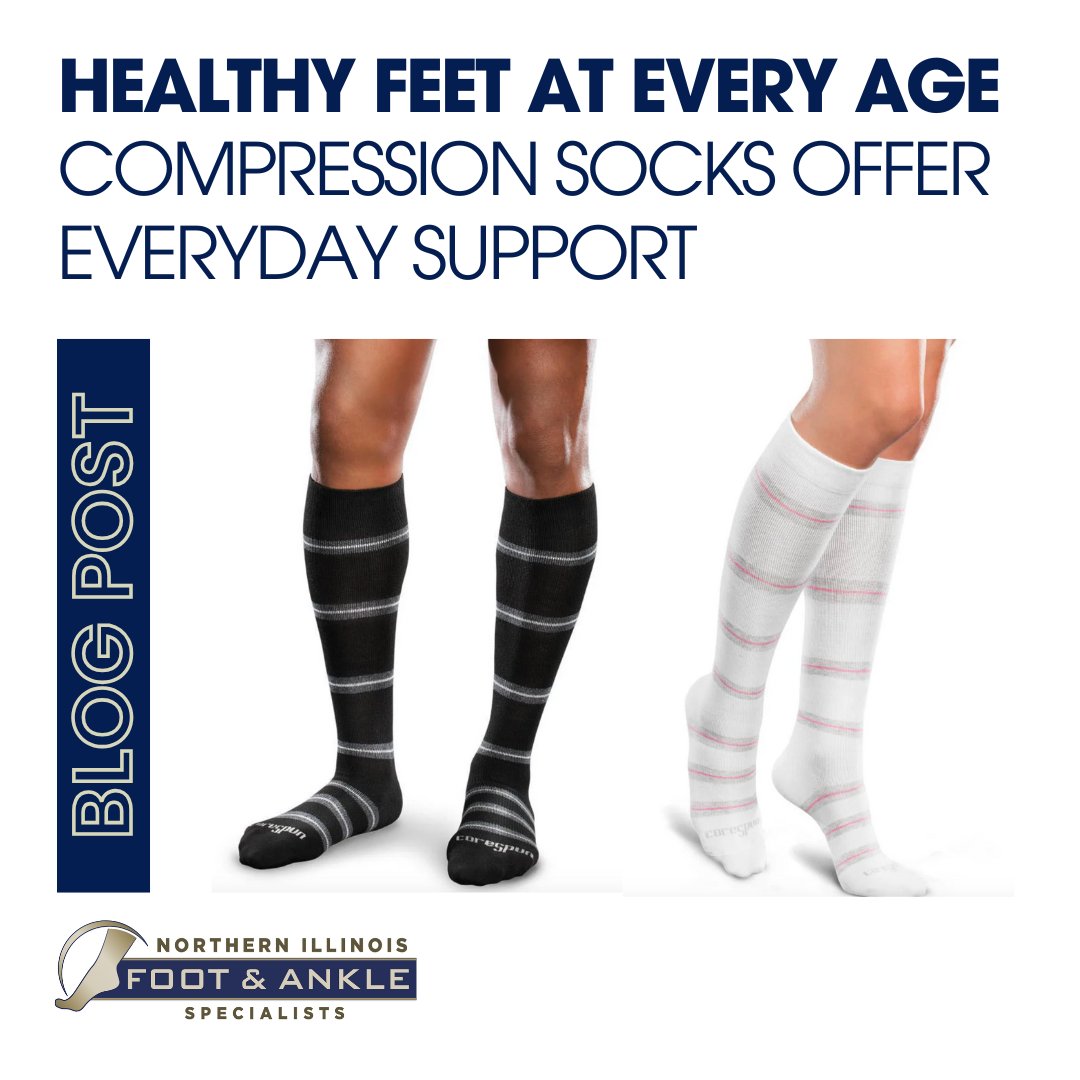
As a podiatrist, I often meet patients who are looking for simple, effective ways to improve their comfort and mobility. Whether you spend long hours on your feet, travel frequently, or manage a chronic condition, your legs and feet can take a lot of strain. One of the most common recommendations I make is also one of the easiest to adopt: using compression socks. It's a small change that can deliver significant benefits for your circulation, energy levels, and overall foot health.
Here at Northern Illinois Foot and Ankle Specialists, we believe in empowering our patients with practical solutions. Many people think of compression socks as something reserved for elite athletes or for post-surgical recovery, but their benefits are much more widespread. I’m Dr. Summer Bochat, and I want to share how this versatile tool can provide everyday support and help you feel your best from the ground up.
This post will explore how compression socks work, who can benefit from them, and how to find the right pair for your specific needs.
What Are Compression Socks and How Do They Work?
At their core, compression socks are specialized hosiery designed to apply gentle pressure to your legs and ankles. This pressure is graduated, meaning it’s tightest at the ankle and gradually decreases as it moves up the leg. This design isn't accidental; it's engineered to support your circulatory system.
Your arteries carry oxygen-rich blood from your heart to your extremities, but your veins have the challenging job of pushing that blood all the way back up to your heart, against gravity. Factors like prolonged standing or sitting can make this process less efficient, leading to blood pooling in your legs. This can cause feelings of achiness, fatigue, and visible swelling.
Graduated compression acts as a support system for your veins. The external pressure helps your blood vessels work more effectively, encouraging blood to flow upward and reducing the likelihood of swelling and discomfort. Think of it as giving your circulatory system a helpful, consistent boost throughout the day.
Who Can Benefit from Wearing Compression Socks?
The great thing about compression socks is their versatility. While they are crucial for managing certain medical conditions, they also offer preventative and comfort-enhancing benefits for a wide range of people. I often recommend them to my patients in Northern Illinois for various reasons.
Individuals with Demanding Jobs
If your job requires you to be on your feet all day, like nurses, teachers, retail workers, or construction professionals, you are an ideal candidate for compression socks. The constant standing puts immense pressure on your lower limbs. Compression socks can help combat the leg fatigue, achiness, and swelling that often come with a long shift, helping you feel more comfortable both during and after work.
Frequent Travelers
Have you ever gotten off a long flight or finished a road trip with swollen, stiff ankles? This is a common side effect of sitting for extended periods. Lack of movement slows circulation, causing fluid to accumulate in your feet and legs. Wearing compression socks during travel can promote healthy blood flow, reducing your risk of swelling and even more serious issues like deep vein thrombosis (DVT).
Athletes and Active Individuals
Athletes have long used compression gear to enhance performance and speed up recovery. By improving circulation, compression socks can help deliver oxygen more efficiently to your muscles during a workout. After exercise, they can aid in flushing out lactic acid and other metabolic waste, which may help reduce muscle soreness and fatigue.
Expectant Mothers
Pregnancy brings about many physical changes, including increased blood volume and pressure on the veins. This often leads to significant swelling in the feet and ankles. Compression socks are a safe and effective way for expectant mothers to manage this swelling, alleviate leg cramps, and reduce the risk of developing varicose veins.
Patients Managing Diabetes
For individuals with diabetes, compression socks are often a key part of their management plan. They can help improve blood flow, reduce swelling in the feet and legs, and lower the risk of complications like blood clots or diabetic foot ulcers. If you have diabetes, it's essential to work with a specialist like me to ensure you're using the correct level of compression and type of sock for your specific needs.
Finding the Right Fit and Compression Level
Not all compression socks are created equal. To get the most benefit, it’s important to choose the right size and compression level.
Compression is measured in millimeters of mercury (mmHg) and typically falls into these ranges:
Mild (8-15 mmHg): Good for energizing tired, achy legs and for those who sit or stand for long periods. This is a great starting point for everyday wear.
Moderate (15-20 mmHg): Often recommended for preventing swelling during travel, managing minor varicose veins, and for use during pregnancy.
Firm (20-30 mmHg): This level is considered medical-grade and is often prescribed to manage more significant issues like moderate edema, venous insufficiency, and post-surgically.
Extra-Firm (30-40 mmHg and above): Reserved for serious conditions like DVT, severe lymphedema, and active venous ulcers. This level should only be used under a doctor’s supervision.
Because correct sizing is so important, buying compression socks on Amazon or through other non-clinical retailers can actually hurt you instead of help you. A sock that is too tight can restrict circulation, and one that is too loose won't provide any benefit. It’s best to visit a podiatrist: our team at NIFAS can take precise measurements of your legs to ensure a perfect fit that delivers effective, comfortable support.
Did you know that many compression socks are eligible for purchase with HSA (Health Savings Account) or FSA (Flexible Spending Account) funds? This means you can prioritize your health and comfort while making the most of your insurance benefits.
Get Your Personalized Recommendation from Dr. Bochat
Choosing the right compression socks can feel overwhelming, but you don’t have to figure it out alone. As a foot and ankle specialist, I can help you determine if compression therapy is right for you and recommend the ideal level of support based on your lifestyle, activity level, and medical history.
At Northern Illinois Foot and Ankle Specialists, we offer a wide selection of high-quality compression socks right here in our clinics. We can guide you through the options and ensure you leave with a pair that will make a real difference in your daily comfort and health.
If you’re ready to put an end to tired, swollen, and achy legs, schedule a consultation with a specialist at NIFAS. Let’s work together to find a solution that helps you step through your day with renewed energy and confidence.
